
Social Anxiety Therapy UK | Overcome Fear & Avoidance

Social Anxiety Disorder: Symptoms, Free Test & Therapy
What is Social Anxiety Disorder?
Social anxiety disorder is a type of anxiety disorder characterised by an intense fear of being judged, criticised, or embarrassed in social situations.
People with social anxiety often worry that they will say or do something that will lead to rejection or humiliation. In reality, this fear is usually far stronger than the situation itself.
Social anxiety can affect many areas of life, including:
Socialising with friends or colleagues
Speaking in meetings or presentations
Dating or forming relationships
Eating or drinking in public
Attending events or gatherings
Because these situations feel so uncomfortable, many people begin to avoid them altogether, which can lead to isolation and reduced opportunities in both personal and professional life.
It is important to understand that social anxiety is not simply shyness or introversion.
Introverted people may prefer quiet environments or time alone. Social anxiety, however, involves a persistent fear of negative judgement from others.
Do I Have Social Anxiety?
Social anxiety can affect both thoughts and the body. Common symptoms include:
An intense fear of being judged or scrutinised by others.
Self-consciousness and embarrassment in social situations
Avoidance of social situations or enduring them with intense anxiety.
Physical symptoms such as shaking, sweating, blushing, or a rapid heartbeat.
Negative thoughts and self-criticism.
Difficulty making and maintaining eye contact.
Difficulty speaking in front of others.
Worrying excessively before social events.
Fear of offending others or making mistakes.
Feelings of worthlessness or inferiority.
Many people with social anxiety replay conversations repeatedly afterwards and focus on perceived mistakes.
If several of these experiences feel familiar, therapy can help you understand and overcome the patterns that maintain social anxiety.
Take a Social Anxiety Test
If you're unsure whether what you're experiencing might be social anxiety, this short self-assessment can be a helpful first step.
Social anxiety involves a persistent fear of social situations where you may feel judged, embarrassed, or scrutinised by others. It can range from mild discomfort to something that significantly affects everyday life.
This questionnaire looks at five areas linked to social anxiety, including:
situations that trigger anxiety
worries about how others perceive you
physical and emotional symptoms
feelings of self-consciousness
avoidance or safety behaviours
For each question, select the statement that best reflects how things have been for you over the past week.
Your responses are completely confidential (we do not store the results). The results can help you understand the severity of your social anxiety and whether further support may be helpful.
If your results suggest social anxiety may be affecting your life, My Therapist Online can connect you with an experienced therapist specialising in evidence-based treatments such as Cognitive Behavioural Therapy (CBT) through secure online video sessions.
How Social Anxiety Affects Daily Life
Social anxiety can have a significant impact on day-to-day life. Over time it may affect:
Work and Career
People may avoid meetings, presentations, or networking opportunities, even when they are highly capable.
Relationships
Forming friendships or romantic relationships can feel extremely difficult when social situations trigger intense anxiety.
Confidence and Self-Esteem
Repeated avoidance and self-criticism can lead to reduced confidence and a belief that something is “wrong” with you.
Loneliness
Many people with social anxiety want meaningful connections but feel blocked by their fears.
Therapy focuses on helping you break these patterns and gradually build confidence in social situations.
Can Therapy Help Social Anxiety?

Short Answer - Yes!
The Most Effective Treatments for Social Anxiety
Several therapies have strong research evidence showing they can help people overcome social anxiety.
At My Therapist Online, we commonly recommend Cognitive Behavioural Therapy (CBT), Exposure Therapy (ERP), and Acceptance and Commitment Therapy (ACT).
The right approach will depend on your individual experiences and will be discussed during an initial assessment.
CBT for Social Anxiety
This is A type of psychotherapy that focuses on changing negative thought patterns and behaviors that contribute to social anxiety. A typical CBT treatment for social anxiety includes the following steps:
Assessment - The therapist will assess the individual's thoughts, feelings, and behaviours related to social anxiety.
Psycho-education - The therapist will educate the individual about social anxiety and how CBT can help.
Identifying Negative Thoughts - The therapist will help the individual identify negative thoughts and beliefs about themselves and social situations that contribute to their anxiety.
Challenging Negative Thoughts - The therapist will challenge the individual's negative thoughts and beliefs, and help them develop more realistic and positive thoughts.
Gradual Exposure / ERP - Exposure therapy or ERP. ERP is a type of therapy in which a person gradually faces their feared situations in a controlled setting, allowing them to overcome their anxiety. The therapist will help the individual gradually face their feared social situations in a controlled setting, allowing them to overcome their anxiety.
Skill-Building - The therapist will help the individual develop coping skills and relaxation techniques to manage anxiety in social situations.
Maintenance and Relapse Prevention - The therapist will provide support and guidance to help the individual maintain their progress and prevent relapse.
Exposure and Response Prevention (ERP)
Exposure therapy involves gradually facing feared situations in a safe and structured way.
With the support of a therapist, you learn that anxiety naturally decreases when situations are approached rather than avoided.
Over time, exposure therapy helps the brain learn that social situations are not as threatening as they may feel.
Acceptance and Commitment Therapy (ACT)
ACT helps people develop a more compassionate and accepting relationship with their thoughts and emotions.
Rather than trying to eliminate anxiety completely, ACT teaches you how to:
observe anxious thoughts without becoming overwhelmed by them
develop psychological flexibility
focus on meaningful actions and personal values
This approach can help people move towards the life they want, even when anxiety is present.
Can Online Therapy Help Social Anxiety?
Online therapy can be particularly helpful for people experiencing social anxiety.
Many people find it easier to begin therapy from the privacy and comfort of their own home, rather than travelling to an unfamiliar clinic or waiting room.
Benefits of online therapy include:
Access to specialist anxiety therapists across the UK
Flexible appointment times including evenings
No travel or commuting stress
Greater privacy and discretion
The ability to start therapy quickly without long waiting lists
At My Therapist Online, we carefully match people with therapists based on their needs, preferences and availability.
Recommended Books for Social Anxiety
Many people find it helpful to combine therapy with evidence-based self-help resources.
The below recommended books all provide practical and evidence-based techniques for overcoming social anxiety, as well as being books written to support lasting change. They can serve as standalone resources or be used alongside your online therapy session.
Overcoming Social Anxiety and Shyness: A self-help guide using Cognitive Behavioural Techniques - by Gillian Butler and Ty Cobb. A self-help guide with practical CBT techniques for overcoming social anxiety and shyness.
The Anxiety Solution: A Quieter Mind, a Calmer You - by Chloe Brotheridge. This book is packed full with techniques and strategies to help individuals overcome anxiety, including social anxiety, using mindfulness and self-compassion.
The Anxiety Survival Guide for Teens: CBT Skills to Overcome Fear, Worry, and Panic - by Jennifer Shannon. A guide for teens with CBT techniques to fight anxiety, including social anxiety.
This book provides a step-by-step self-help action plan to help individuals identify and understand the root causes of their social anxiety and shyness, and develop strategies for coping and overcoming them.
This book is a great resource for those who want to take control of their social anxiety and shyness and build confidence in social situations
The Mindfulness and Acceptance Workbook for Social Anxiety and Shyness: Using Acceptance and Commitment Therapy to Free Yourself from Fear and Reclaim Your Life - by Georg H. Eifert and John P. Forsyth.
This is an invaluable resource for individuals seeking to overcome these challenges and reclaim their lives. It provides a comprehensive guide to using acceptance and commitment therapy (ACT) to overcome social anxiety and shyness.
The authors provide a step-by-step guide to mindfulness and acceptance, helping individuals develop a new perspective on their experiences and build resilience in the face of social anxiety and shyness. It covers a range of topics, including how to identify and manage thoughts and feelings, how to cultivate self-compassion, and how to take action in the face of fear.
The Confidence Gap: A Guide to Overcoming Fear and Self-Doubt - by Russ Harris.
This super book is an accessible and insightful guide to overcoming fear and self-doubt and building confidence and resilience. It is packed full of evidence-based strategies and techniques to help individuals overcome fear and self-doubt, including social anxiety, and develop a flexible and accepting mindset.
It covers a range of topics, including how to manage thoughts and feelings, how to develop self-compassion, and how to take action in the face of fear. It includes many practical exercises and strategies for individuals to apply in their daily lives, helping them build confidence and overcome the obstacles that hold them back.
Social Anxiety Therapy in the UK
Social anxiety disorder affects many people across the UK, and effective treatment is available.
At My Therapist Online, we connect people across the UK with experienced therapists specialising in anxiety disorders. All therapy sessions take place securely online, allowing you to work with a specialist therapist wherever you live in the UK.
Our therapists include:
Chartered Clinical Psychologists
BABCP Accredited CBT Therapists
Counselling Psychologists
Accredited Counsellors and Psychotherapists
Many people prefer online therapy because it allows them to access a specialist in social anxiety without needing to travel or join a waiting list.
Therapists Who Treat Social Anxiety
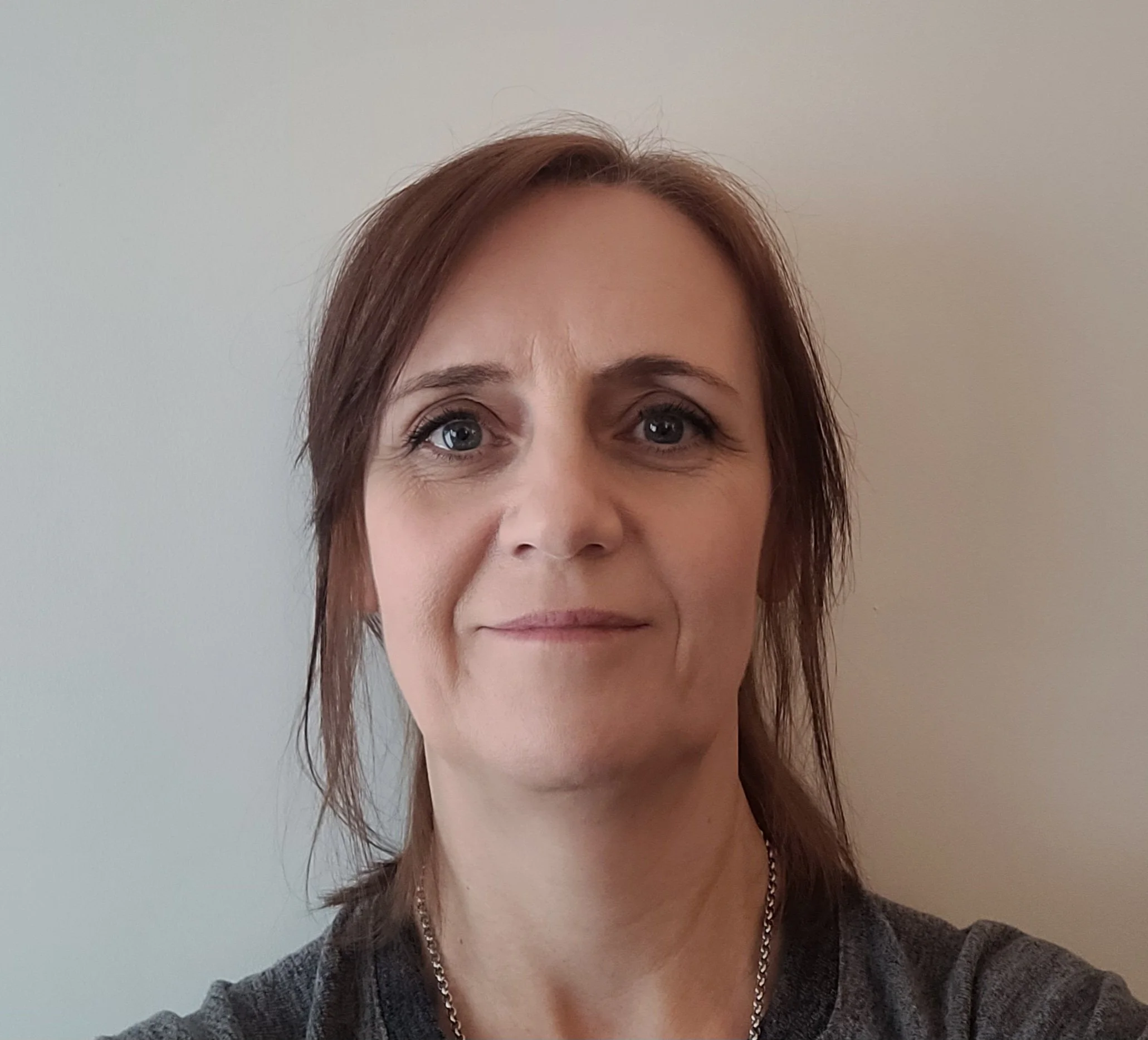
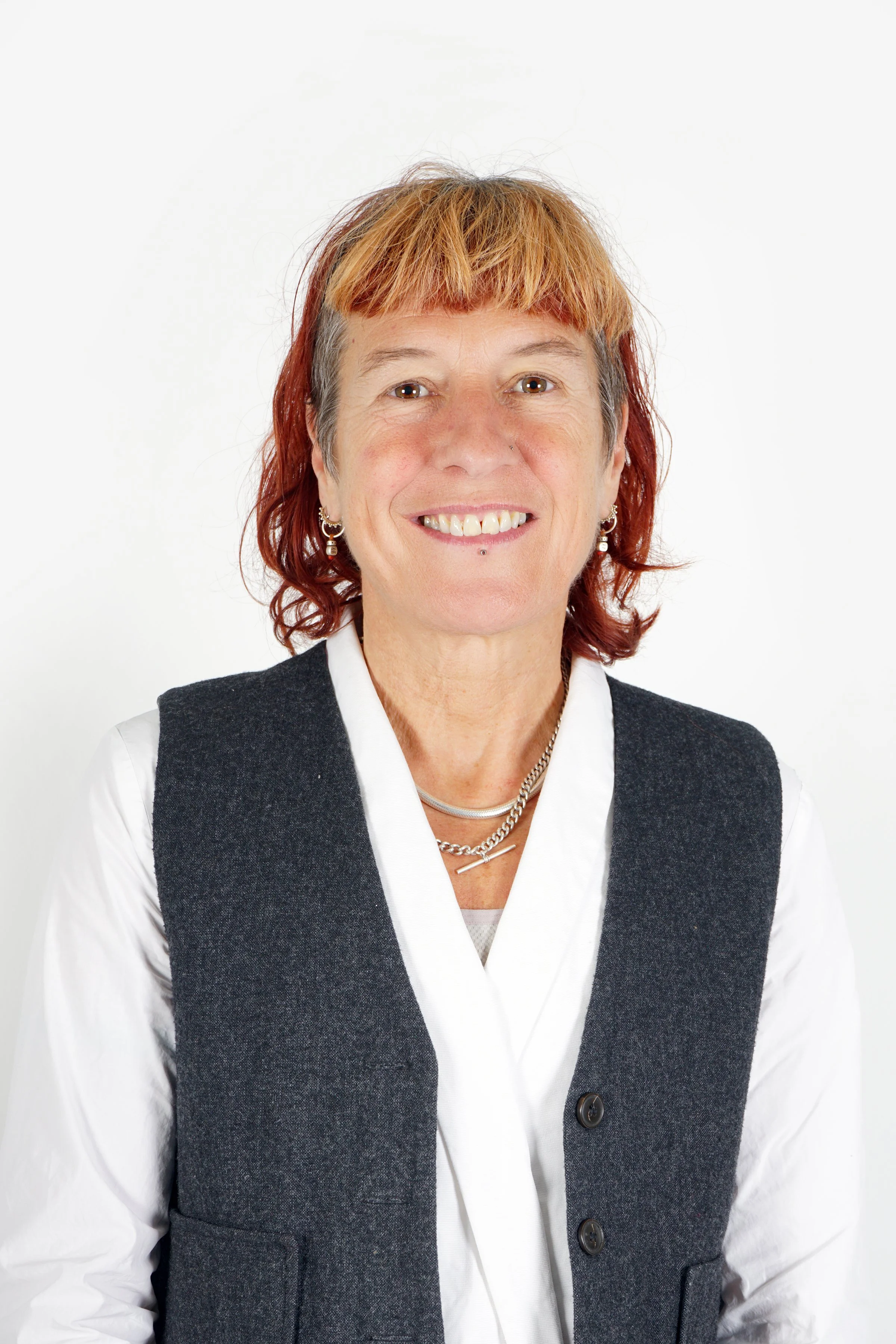
At My Therapist Online, many of our therapists have extensive experience helping people overcome social anxiety.
Examples of therapists who frequently work with social anxiety include:
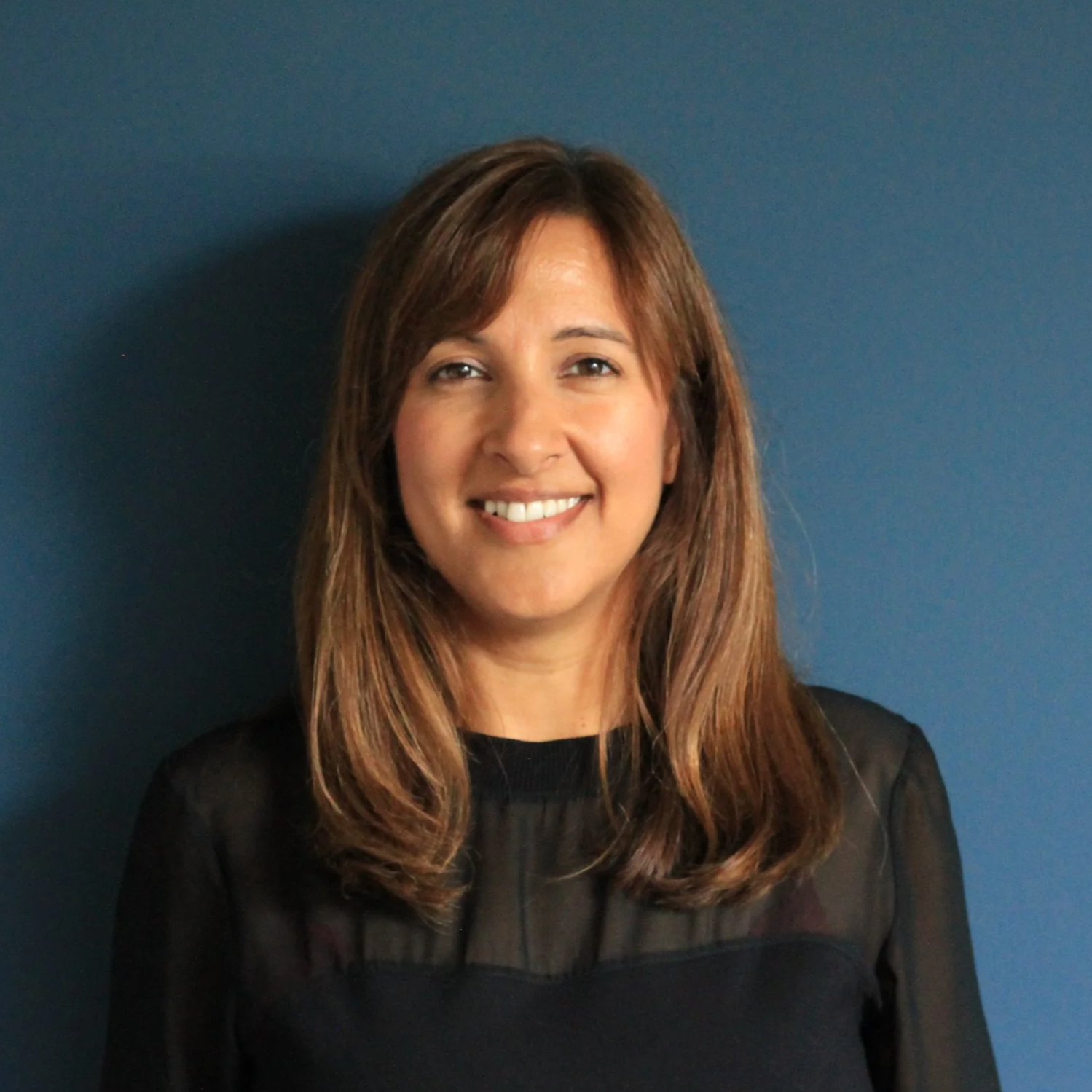
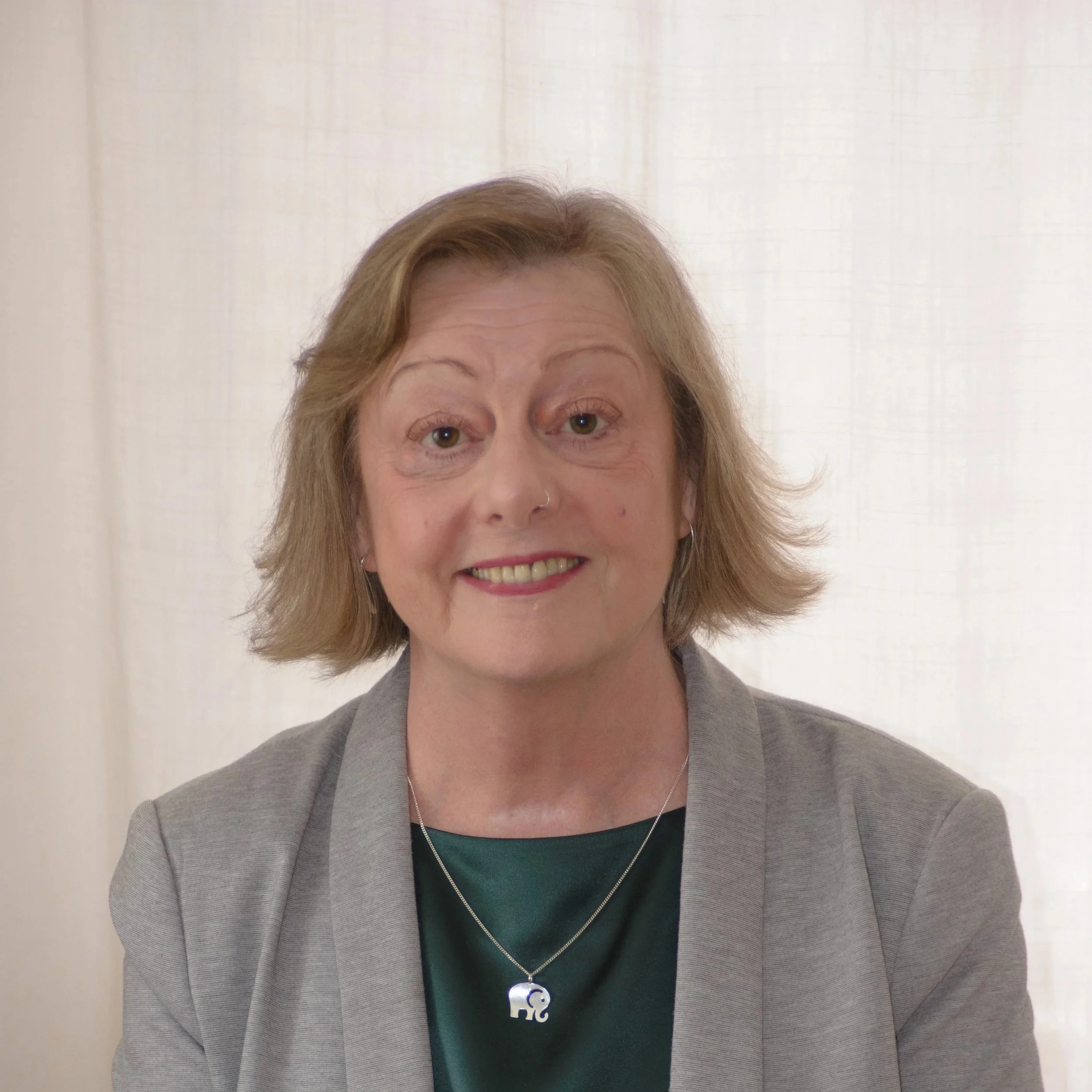
Tara Michhiana - CBT & EMDR Therapist
Dr Wendy Turton - Clinical Psychologist
Sepideh Mhojat - CBT Therapist
Chris Hutchin - CBT THerapist
Vicky Mcleod - Integrative Counsellor
Umberto Crisanti - CBT & EMDR Therapist
Dr Linda Solbrig - Senior Coaching Psychologist
Jo Lynam - CBT Therapist
Leanne Alston - CBT & EMDR Therapist
Dr Angela ford - Counselling Clinical Psychologist
Joel Oliver - CBT & EMDR Therapist








Frequently Asked Questions About Social Anxiety
Is social anxiety the same as shyness?
No. Shyness is a personality trait, while social anxiety disorder involves intense fear and avoidance that interferes with daily life.
Can social anxiety be treated successfully?
Yes. Evidence-based therapies such as CBT and ACT have strong success rates in helping people overcome social anxiety.
How long does therapy take for social anxiety?
Many people begin to see improvements within a few months, although the length of therapy varies depending on individual needs.
Can online therapy work for social anxiety?
Yes. Many people with social anxiety find online therapy easier to begin because it removes the stress of travelling to appointments.
Start Overcoming Social Anxiety
If social anxiety is affecting your confidence, relationships, or work life, speaking to a therapist can help.
At My Therapist Online, we match people with experienced therapists who specialise in anxiety disorders.
You can start with a free 15-minute introductory session to ensure the therapist feels like the right fit.
We make finding the right therapist easy.
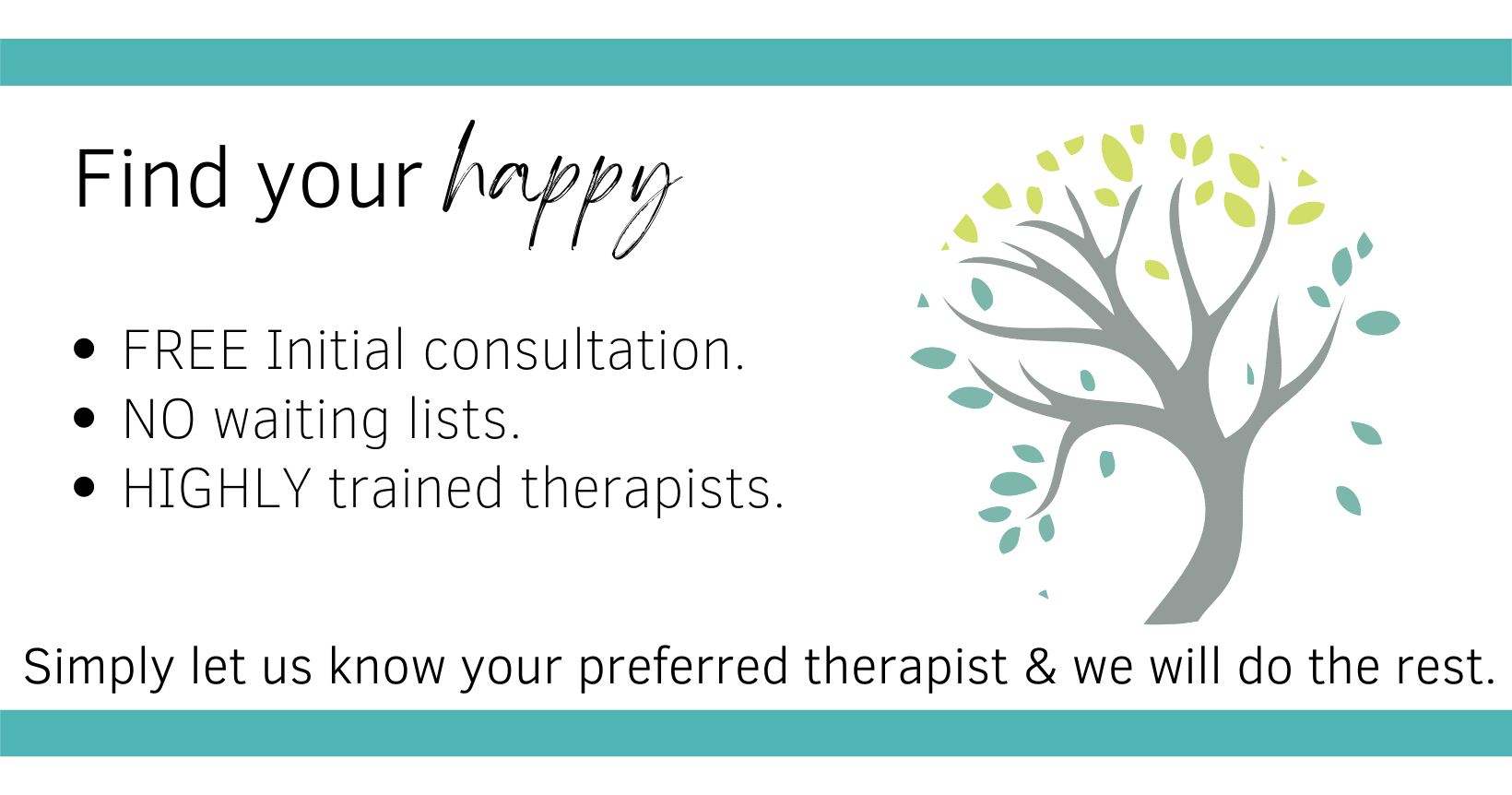
At My Therapist Online, we listen to the problems you are facing and match you with the right therapist for your individual needs. You can meet with them for a free initial consultation to be sure it is a good match before starting your therapy.
This page was reviewed by Lisa Johnston, BABCP Accredited CBT Therapist, Anxiety Disorders Specialist.