
Lucy Sherman - HCPC Registered EMDR & Art Psychotherapist (Online)
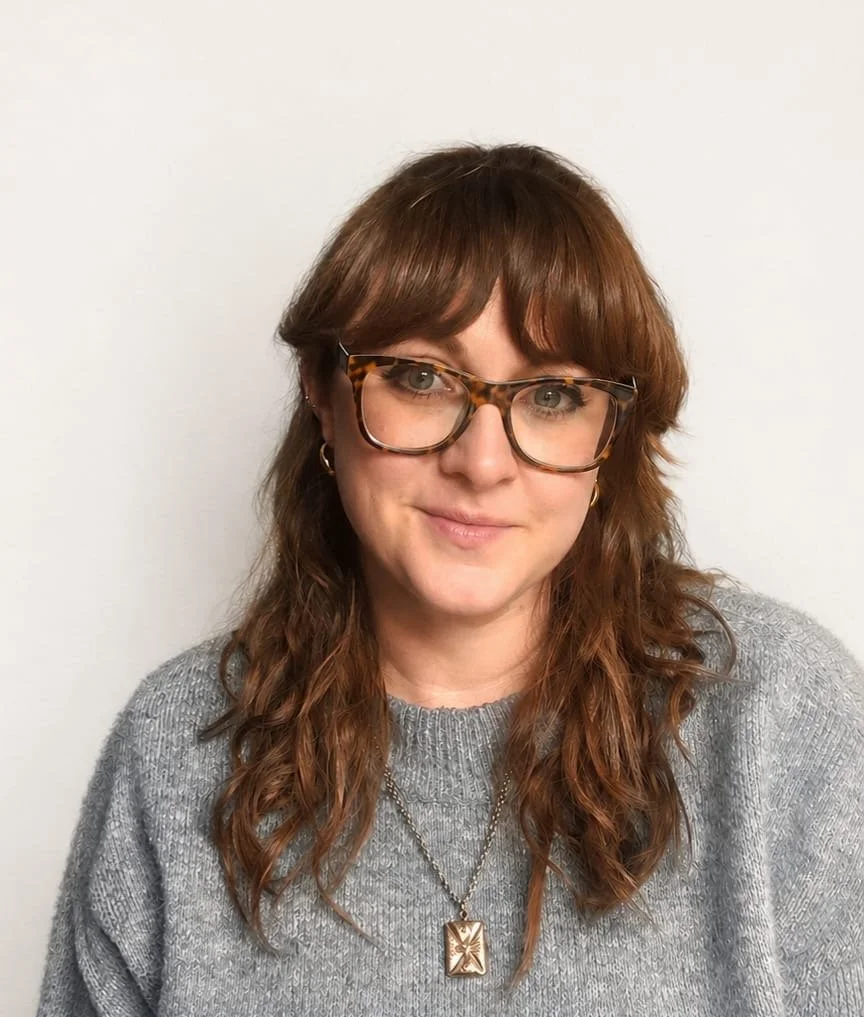
Lucy Sherman
EMDR Therapist, Art and Psychotherapist
Specialist support for trauma (PTSD & CPTSD), anxiety, neurodiversity and relational difficulties
HCPC (AS16216), EMDR UK
Pronouns: She/Her
I think it is important to treat people and this process with respect, compassion and kindness. Allowing you to take responsibility for your own creative decisions and content means that as opposed to leading you down a path, I am rather stood beside you, keeping you safe and supporting you in your journey.
I have over 10 years of experience working as a Psychotherapist. I have worked with individuals with a wide range of mental health struggles and neurodiverse needs,including trauma (PTSD & CPTSD), depression, anxiety, psychosis, Autism, ADHD, disordered attachment, personality differences, low confidence and more. Specialist fields I have worked in include those who have been in foster care, looked after children, acute psychiatric mental health issues, eating disorder, hospice/ bereavement, addiction and recovery programmes.
I offer Psychodynamic talking therapy and or Art therapy as well as being a specialist in EMDR. I often combine these modalities to best suit the individual I am working with.
Art Psychotherapy uses art media as its primary mode of expression; recognising how difficult it can be to translate our thoughts and feelings into words, as well as the stigma and challenges around language and mental health. Art is great at breaking through these barriers and allow us to reflect and express ourselves in a rich and authentic way. No artistic abilities are needed.
I follow a psychodynamic framework which focuses on looking at past experiences and relationships and the influence they have on current circumstances and relationships in your day to day life. I use this framework in both talking and art therapy. Having both vessels of therapy means I can adapt to provide a rich experience for my clients.
EMDR (eye movement desensitisation reprocessing therapy)- this is a therapy specifically designed for treatment of trauma (including CPTSD), using eye movement techniques as well as simultaneously recalling trauma. Individuals often find themselves freed of triggers, nightmares, fears, grieving and seemingly out-of-control symptoms that they have suffered with for years. The work will also focus on leaving you with a more positive core belief, helping develop positive self esteem.
Conditions & Difficulties Treated
Specialist Areas
Trauma (PTSD and CPTSD), Anxiety, Neurodiversity, Chronic illness, Relational issues
Anxiety & Stress
ADHD
Anxiety
Stress
Generalised Anxiety Disorder
Health Anxiety
Social Anxiety
Fears of Abandonment
Neurodiversity
Autistic Spectrum Disorder
ADHD
Mood, Self-Esteem & Emotional Wellbeing
Depression / Low Mood
Low Self-Esteem
Loneliness
Emotional Regulation
Anger
Relationships & Attachment
Attachment Issues
Codependency
Communication Difficulties
Relationship Doubt
Infidelity, Affairs & Betrayals
Intimacy Difficulties
Family Issues
Adoption
Blended Families
Family Conflict
Trauma & PTSD
Childhood Trauma
Post-Traumatic Stress Disorder
Complex PTSD
Road Traffic Accidents
Rape / Sexual Assault
Childhood Sexual Abuse
Health, Illness & Life Changes
Acute or Long-Term Health Conditions
Cancer
Menopause
Menstrual Health
Life Transitions
Eating & Weight Concerns
Overeating
Weight Loss Support
Eating Disorders
Grief & Loss
Grief
Bereavement
Loss
Work & Career Difficulties
Workplace Bullying
General Work Problems
Work-Related Stress
Other areas treated
Addictions - Substance
Anxiety - Agoraphobia
Anxiety - Death
Anxiety - Panic / Panic Attacks
Anxiety - Performance
Anxiety - Separation
Anxiety - Phobias
Obsessive Compulsive Disorder (OCD)
Alexithymia - difficulty identifying/ expressing emotions
Bi-Polar Disorder
Body Image Problems
Chronic Fatigue / ME
Pregnancy, Prenatal, Postpartum
Self Harm
Eating Disorders - Anorexia & Bulimia
Parenting Issues
Carer Problems
Hoarding
LGBTQI+ Related Issues
Gender Identity Issues
Pain management
Perfectionism
Procrastination
Relationship - Separation & Divorce
Career Coaching
Work - Redundancy
Trauma - Dissasociation
Therapeutic Approaches & Models
Eye Movement Desensitisation & Reprocessing (EMDR)
Psychodynamic therapy
Art Psychotherapy
Lucy works with:
Adolescents (16 - 18 Years)
Adults (19-65 Years)
Elderly (65+ Years)
Professional Training & Accreditations
Art Psychotherapy, MA with merit, Goldsmiths University (2018)
EMDR Europe Accredited training, EMDR Academy (2022)
Clinical Supervision Training, BAAT (2020)
EMDR UK
HCPC (AS16216)
-
Eye Movement Desensitisation & Reprocessing (EMDR)
EMDR is a therapy designed specifically for treating trauma, including PTSD and complex PTSD. It works by using gentle eye movement techniques while you briefly bring difficult memories to mind, which helps your brain reprocess experiences that have felt "stuck". People often find that triggers, nightmares, fears and other distressing symptoms - sometimes ones they have lived with for years - begin to lose their grip. As well as easing those symptoms, the work focuses on leaving you with a more positive sense of yourself and healthier core beliefs. You stay in control throughout, and we only ever move at a pace that feels safe for you.
-
Psychodynamic therapy looks at how your past experiences and earlier relationships shape the way you feel, think and relate to others today. Often the patterns we struggle with in the present have roots we are not fully aware of, and gently bringing these into the light can be freeing. Rather than offering quick fixes, this approach gives you space to understand yourself more deeply and to make sense of why certain situations or relationships feel the way they do. I use this framework in both talking therapy and art therapy, which means we can adapt it to whatever helps you express yourself most fully.
-
Art psychotherapy uses art-making as its main way of expressing what can be hard to put into words. Many of us find it difficult to translate our thoughts and feelings into language, and there can be real stigma and barriers around talking about mental health. Art offers another route in - a way to reflect and express yourself that is rich, honest and entirely your own. You do not need any artistic ability or experience at all; this is never about producing "good art". The image simply becomes a starting point for understanding and exploring whatever you bring.