
Miriam Goble – CBT Therapist for Anxiety, OCD, Trauma & Low Self-Esteem
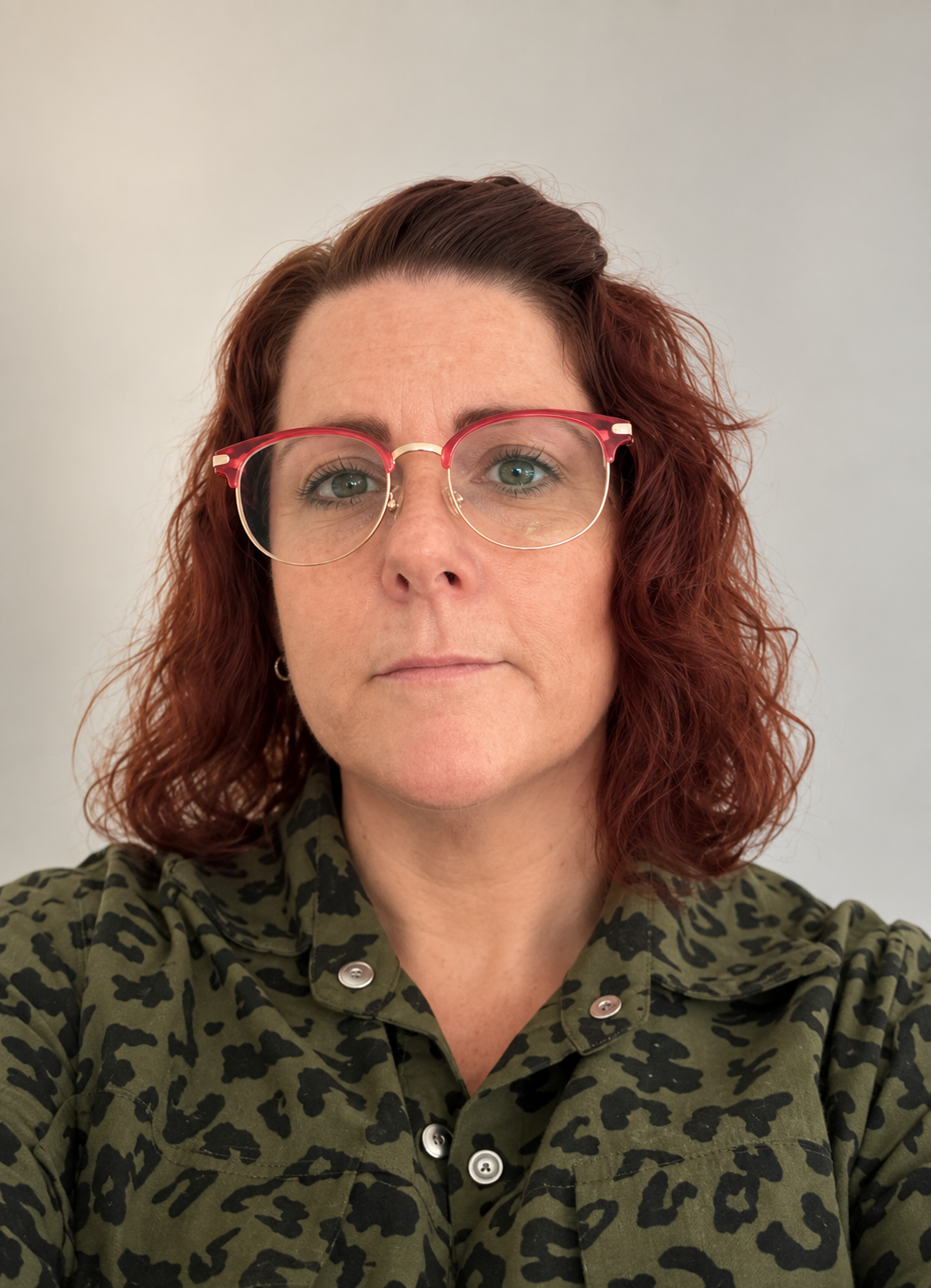
Miriam Goble
HCPC Registered CBT Therapist | Compassionate, Evidence-Based Support for Anxiety, Trauma & Life Challenges
Pronouns: She/Her
A session should feel like a supported but joint exploration. We will work together to share expertise, mine in therapy, yours in your life. There may be times when I lead, there may be times when you do. Some sessions will be more about pure support, some may be more about challenge and tacking problems head on. The main thing to remember is I am here to have your best interests in mind and meet you where you are, when your are ready and in the ways which you feel able to move forward.
I am dedicated to providing genuine, transparent and compassionate support through evidence-based practices. My training in cognitive behavioural therapy and compassion-focused therapy, as well as other modes of therapy, ensures that clients receive an individual approach to therapy.
Specialities
I treat any mental health problem such as generalised anxiety, panic, health anxiety, OCD, PTSD, complex PTSD, difficulties relating to mistreatment and abuse, depression, low self-esteem, social anxiety and challenges in overcoming or managing general life demands. Difficulties relating to or from the impact of neurodiversity can also be supported within the context of those difficulties listed.
Experience
NHS: 10 years core services (IAPT) delivering therapy individually and in group formats. Trauma service: 1 year in Veterans trauma specific service delivering therapy. Private: 3 years delivering individual therapy. CFT, ACT, DBT and IFS training/experience.
Conditions & Difficulties Treated
Specialist Areas
Anxiety
Anxiety - Stress
Anxiety - Agoraphobia
Anxiety - Generalised (GAD)
Anxiety - Health
Anxiety - Panic / Panic Attacks
Anxiety - Fears of abandonment
Anxiety - Social
Anxiety - Phobias
Body Dysmorphic Disorder (BDD)
Obsessive Compulsive Disorder (OCD)
Chronic Fatigue / ME
Depression - Low Mood
Pregnancy, Prenatal, Postpartum
Depression - Seasonal Affective Disorder
Menopause
Carer Problems
Low Self-Esteem
Pain management
Health conditions - Acute / Long Term
Perfectionism
Sleep - Problems
Sleep - Insomnia
Work - Bullying
Work - General Problems
Work - Redundancy
Work - Stress
Long COVID
Trauma - Childhood Trauma
Trauma - Post Traumatic Stress Disorder (PTSD)
Trauma - Complex PTSD
Trauma - Road Traffic Accidents
Trauma - Rape / sexual assalt
Trauma - Childhood sexual abuse
Commonly Treated Difficulties
Anxiety - Death
Anxiety - Performance
Anxiety - Separation
Emetophobia (Specific Fear of Vomit)
Autistic Spectrum Disorder (ASD)
Alexithymia - difficulty identifying/ expressing emotions
Body Image Problems
Depression - Major
Eating Disorders - Over Eating & Weight Loss
Family Issues - Blended families
Family Issues - Conflict
Parenting Issues
Infertility
Hoarding
LGBTQI+ Related Issues
Gender Identity Issues
Loneliness
Personality Disorders
Problem with telling lies
Health Condition - Cancer
Procrastination
Skin/Hair picking (tricotillomania / dermatillomania)
Tinnitus
Relationship - Communication difficulties
Relationship - Doubt in relationship
Relationship - Infidelity, affairs & betrayals
Relationship - Intimacy
Relationship - Separation & Divorce
Life transitions
Anger
Menstrual Health
Trauma - Disassociation
Therapeutic Approaches & Models
Cognitive Behavioural Therapy (CBT)
BABCP Accredited CBT Therapist
Exposure Response Prevention (ERP)
Compassion Focused Therapy (CFT)
Dialectical Behaviour Therapy (DBT)
Acceptance & Commitment Therapy (ACT)
Miriam works with:
Adults (19-65 Years)
Elderly (65+ Years)
Health Insurance Companies registered with:
Medicase
IPRS
Healthcare RM
BUPA
AXA
Aviva
Vitality
Professional Training & Accreditations
BABCP Number 0140395
ICO reference ZB851922
Postgraduate Diploma in CBT
NHS CBT for Long Term Conditions and Medically Unexplained Symptoms
NHS High Intensity Supervision Training
Foundation and Advanced Training in CFT- Compassionate Mind Foundation
CFT for Anger, Shame, Self-Criticism and Common Compassionate Blocks - Compassionate Mind Foundation
Foundation Skills in DBT- Marsha Linehan
DBT for Anger and Shame- Marsha Linehan
Foundation Skills in ACT- Russ Harris
Treating Trauma with Internal Family Systems Therapy
Client Testimonials
PTSD client: I just wanted to thank you again. Your transparency and kindness earlier was so appreciated and meant a lot to me. I wish I could have bottled your words to keep them from slipping away from me!
Low Self-Esteem client: Today I got a job at the place I most wanted and am making progress with my physical health too! As always thank you again for your wonderful support and guidance. I couldn’t have done it without you.
Health Anxiety client: I just wanted to send a quick email to thank you for all the help I’ve had from you. I was honestly very worried at the beginning and put off by any form of therapy, but you made it such a positive experience. Thank you for all of the advice, the techniques and the words of wisdom! I have every confidence that I can go forward and deal with my anxiety thanks to these last few months.
Depression client: Thank you so much Miriam, you are truly amazing at what you do and I’ve enjoyed learning all the techniques and reasons behind them, that you have taught me. I shall now endeavour to put them all into practice going forward and have hope that my future will be much brighter
First session feedback: Thank you for today's session. It was really easy to talk to you and thank you for creating a safe space for me to openly talk. I think it's really great to have talked about events from my past and my current situation as well. Thank you again and I'm looking forward to the future session!
-
Cognitive Behavioural Therapy (CBT) is an evidenced based & well researched talking therapy. It is recommended by the National Institute for Health and Care Excellence (NICE) for many mental health problems.
It is most commonly used to treat anxiety and depression, but can be useful for many other mental and physical health problems.
CBT focuses upon how your thoughts and behaviours impact upon your emotions and physical symptoms.
CBT is collaborative treatment and typically involves doing homework tasks between appointments.
It aims to teach you to become your own therapist, teaching you tools so you can keep using the strategies and techniques you have learned after you have finished therapy.
-
Acceptance and Commitment Therapy (ACT) is a modern, evidence-based form of therapy that helps people change their relationship with difficult thoughts, feelings, and experiences, rather than trying to eliminate them. ACT recognises that distress is a natural part of being human, and focuses on building psychological flexibility — the ability to respond to challenges in ways that support wellbeing and personal values.
In ACT, you learn skills to notice thoughts and emotions without becoming overwhelmed or stuck in them. This includes developing acceptance, mindfulness, and compassion, alongside identifying what truly matters to you. Therapy then supports you to take meaningful, values-led actions, even when life feels difficult.
ACT can be particularly helpful for anxiety, depression, trauma, chronic health conditions, stress, and difficulties with self-esteem. It is often used alongside other therapeutic approaches, such as CBT, and is tailored to each individual’s needs and goals.
Rather than aiming to “get rid” of uncomfortable feelings, ACT helps you create a richer, more meaningful life by learning to make space for your internal experiences while moving toward what matters most to you.
-
Dialectical Behaviour Therapy (DBT) is an evidence-based therapy that helps people understand and manage intense emotions, improve relationships, and cope more effectively during times of distress. It was originally developed to support people who experience strong emotional reactions, but is now widely used for a range of mental health difficulties.
DBT focuses on building practical skills across four key areas: emotional regulation, distress tolerance, mindfulness, and interpersonal effectiveness. These skills help individuals respond to challenging situations with greater balance, self-awareness, and confidence.
A core principle of DBT is the balance between acceptance and change. Therapy validates how difficult experiences feel, while also supporting you to develop healthier ways of coping and relating to yourself and others.
DBT can be particularly helpful for difficulties such as emotional disregulation, self-harm, relationship difficulties, trauma, and certain personality-related challenges. Therapy is collaborative, structured, and compassionate, helping people feel supported while working towards meaningful and lasting change.
-
Compassion-Focused Therapy (CFT) is an evidence-based therapy that helps people manage self-criticism, shame, and emotional overwhelm, while developing greater self-compassion and emotional resilience. It was originally developed to support individuals who struggle with high levels of self-criticism or shame, but is now widely used for a range of mental health difficulties.
CFT focuses on developing compassionate mind skills, including self-soothing, mindfulness, and understanding the balance between threat, drive, and soothing systems in the brain. These skills help individuals respond to difficult thoughts and emotions with greater kindness, clarity, and balance.
A core principle of CFT is cultivating compassion towards oneself and others. Therapy helps you recognise and reduce harsh self-judgment, while building confidence, emotional regulation, and supportive ways of coping.
CFT can be particularly helpful for difficulties such as anxiety, depression, trauma, perfectionism, low self-esteem, and difficulties managing self-criticism or shame. Therapy is collaborative, structured, and compassionate, supporting individuals to build lasting emotional strength and self-kindness.
-
Exposure and Response Prevention (ERP) is a highly effective form of Cognitive Behavioural Therapy (CBT), most commonly used to treat OCD and anxiety-related difficulties.
It involves gradually facing the thoughts, situations, or triggers that cause anxiety (exposure), while learning to resist the usual habits or behaviours used to reduce that anxiety (response prevention), such as avoidance, reassurance-seeking, or compulsions.
Over time, this helps your brain learn that the feared outcome is less likely than it feels, and that anxiety can reduce naturally without needing to rely on unhelpful coping strategies. ERP is always done at a pace that feels manageable, with support from your therapist throughout.